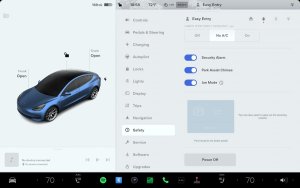
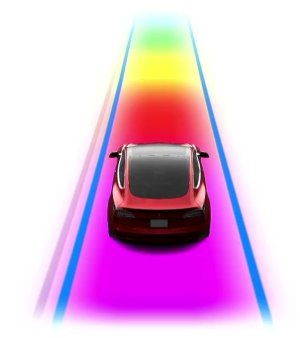
Tesla rolls out FSD v12 to legacy vehicles for the first time
Not a Tesla App
Tesla has been on a roll recently since releasing FSD v12. Yesterday, Tesla started rolling out update 2024.3.15, which includes the latest version of FSD, v12.3.4. While this update is available for all vehicles currently on FSD v12, it finally adds support for the legacy Model S and Model X, as well as the new Model 3.
The Cybertruck is now the last consumer vehicle (Semi excluded) that currently doesn't have access to FSD v12. In fact, the Cybetruck doesn't have access to any version of FSD yet, although that shouldn't be surprising given that the Cybertruck is a brand-new vehicle and Tesla is still ramping up production.
This FSD update follows Tesla’s recent release of FSD v12.3.3, which changed FSD from “Beta” to “Supervised”—a precondition which, in hindsight, foreshadowed that it would soon be ready for older cars.
Autopark
We were hoping also to see improvements with the new Autopark feature, or see it expanded to vehicles with ultrasonic sensors (USS), but it looks like Tesla was focused on bringing FSD v12 to additional vehicles with this update.
Vehicles with USS are not only waiting on the new Autopark but also the new high-fidelity park assist that was rolled out to vehicles without USS late last year.
In December, Tesla's Autopilot lead, Ashok Elluswamy said that the feature would come to models with USS "eventually." It's possible the feature may be tied to the latest Autopark feature and users will receive both at the same time.
Please note that this update hasn’t yet reached all the eligible vehicles yet and is being rolled out slowly over time as Tesla monitors these vehicles. If your car becomes eligible, you’ll receive a push notification, or sometimes it’s helpful to check in the Tesla app or in the vehicle manually.
Tesla recently hit the news for purchasing approximately $2M in LiDAR sensors from Luminar, one of Tesla’s long-term suppliers. You’ve probably seen photos of Tesla’s Semi and various Tesla models, including the Model 3 and Model Y sporting LIDAR equipment on the roof. These cars drive around with manufacturer plates scanning streets and highways.
However, many people confuse Tesla’s purpose in purchasing LiDAR equipment with using it for FSD versus testing. So, let’s look at what LiDAR is, and why Tesla uses it on its Fleet Validation Vehicles.
What is LiDAR?
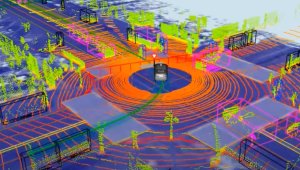
LiDAR stands for Light Detecting and Ranging – essentially using lasers to measure distances. A laser pulse is sent out, and the time it takes to return is measured – providing extremely accurate distance measurements.
Some companies working on self-driving vehicles, including Waymo and BYD, use LiDAR as part of their self-driving suites, but Tesla is one of the few stand-outs that does not. Even Rimac’s “Verne” Robotaxi – which uses self-driving technology from Mobileye, also uses LiDAR.
While LiDAR can produce extremely accurate and high-quality 3D environments, it comes with its downsides as well. Not only is LiDAR costly and requires large gear strapped to a vehicle, but it also can not be used in bad weather and can have interference issues if there are other strong light sources present.
Why Does Tesla Use LiDAR?
A LiDAR rig mounted on a Tesla Semi for testing FSD.
Not a Tesla App
At Autonomy Day in 2019, Elon Musk mentioned that LiDAR isn’t the solution for self-driving cars – it's just a crutch. Thus, Tesla hasn’t used LiDAR for any production self-driving software.
Instead, Tesla uses it exactly how it's described – they use it to gather ground-truth data. This data is then used to feed Tesla’s Full Self Driving system – which helps validate its vision-only system's accuracy. LiDAR provides very accurate measurements to help ensure that FSD’s perception of space is accurate – and is only used by Tesla to ensure that its AI technology which is the brains of FSD is capable of accurately interpreting depth from just visual data.
While sources other than Bloomberg haven't confirmed this report, Bloomberg has a positive track record of reporting on financial decisions. We’ll be sure to update the article if there is confirmation on X from Elon Musk or another Tesla senior official.
Tesla’s stock has dropped nearly 8.5% over the day, ending back-to-back gains over the last two weeks. It closed yesterday at $ 241 after hitting a peak of $270 earlier in the day before the news broke.
Why the Delay?
The delay – of approximately two months – has been communicated internally, but not publicly announced just yet. Bloomberg goes on to mention that the design team was told to rework certain elements of the Cybercab, necessitating the delay.
If Bloomberg’s report is correct, it sounds like Tesla’s unveil event will be largely focused on showing off the vehicle, instead of demoing how it will work. Of course, it could still be both, but given past events, Tesla has always shown off the vehicle years before it hits production.
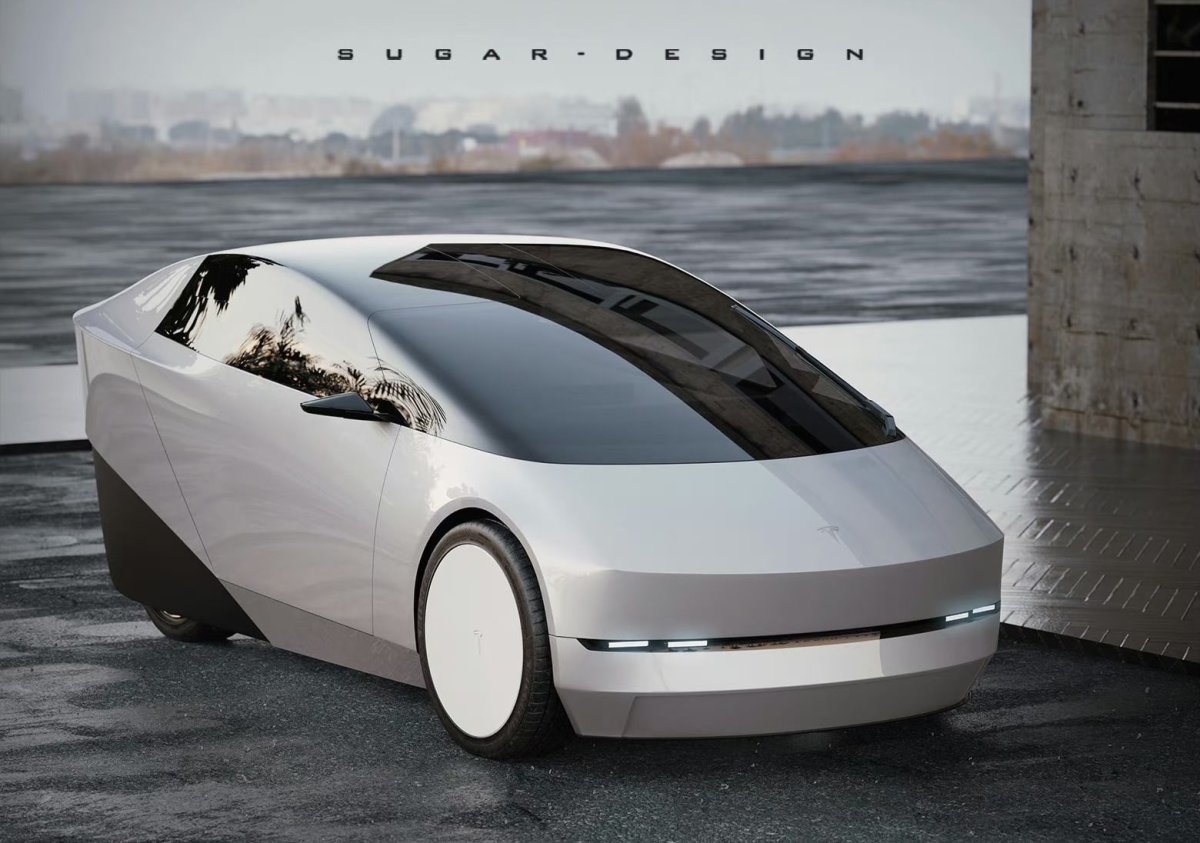
Rimac recently showed off their version of robotaxi vehicle named Verne, and surprisingly, it could almost pass for Tesla’s own robotaxi. A lot of design cues in Rimac’s version are elements we have already seen or expect to see in Tesla’s autonomous taxi.
A recent Tesla patent revealed that Tesla is incorporating a sanitation system into their robotaxi that will be responsible for analyzing and cleaning the vehicle’s interior, although the delay itself is likely tied more to a physical feature rather than software.
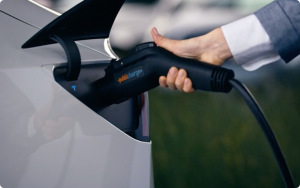
Another element we know almost nothing about is how Tesla plans to charge these robotic taxis. Will they rely on the existing charge port and adapt a solution like the robotic charging arm (video below) we saw almost eight years ago, or will wireless charging or a dock finally become realized?
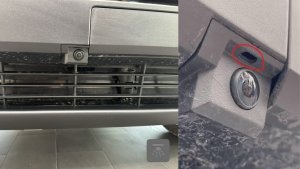
While the delay for Tesla’s event appears to be related to the vehicle’s design itself and not further development of FSD, Tesla is wasting no time in getting FSD working for the upcoming vehicle. Model 3 vehicles have already been spotted with camera locations that resemble a robotaxi.
Is the Delay Accurate?
We expect that this delay might actually be true – Elon Musk usually takes to X within hours of such news breaking if it's false to refute it and hasn’t done so yet.
Tesla has delayed several of their events in the past, and a delay of a couple of months seems plausible. We should hear from Musk himself soon on whether this report is accurate.
TeslaFi logs your drives and charging sessions, letting you keep a log of your vehice's activity. We highly recommend checking them out if you use your car for business trips and would like to keep track of reimbursements, if you like to see how much you spend on charging or if you just love statistics. Visit their site and see everything they have to offer!
Tesla Android Project enables you to run Android apps in your Tesla. The platform is Open Source and you can deploy it on your own Raspberry Pi 4. Consider supporting the initiative by donating or purchasing the Compute Module 4 Bundle that delivers the best experience. Get $20 off by using the code: NotATeslaApp
The official Tesla app only notifies you if your car is broken into. By installing Sentry Pro on your phone, you will be notified for all Sentry Mode events. Stay connected and avoid potential surprises by receiving notifications. Stop constantly checking the cameras to ensure safety. Check only when necessary, save battery and get peace of mind. Get a 7 day free trial here!
Stay organized, connected, and stylish with Cyberbackpack — the #1 backpack, luggage & travel accessories for Tesla owners. We highly recommend checking them out if you commute or travel and would like a backpack or luggage that is sleek, secure and durable. View their products page and see everything they have to offer!
Enhance Auto’s innovative products elevate your Tesla experience. The customizable S3XY Buttons and Knob offer seamless control over vehicle features with a simple press or turn. Visit enhauto.com to explore their full range of products and transform your driving experience today!
Find out how to become a sponsor and have your site listed here.
Although we share official Tesla release notes, we are not affiliated with Tesla Motors. We are Tesla fans and supporters.



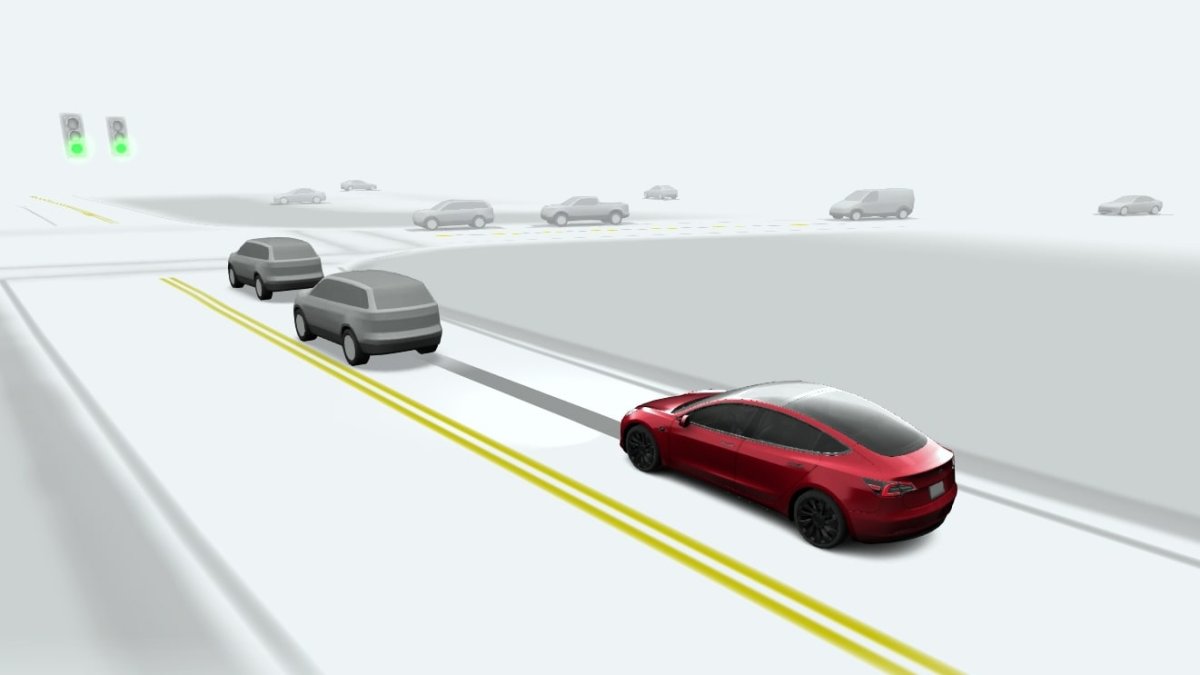




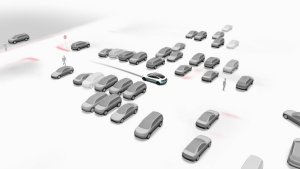
![Tesla's Hidden 'Elon Mode' Unveiled: A Sneak Peek into the Future of FSD [Video]](https://www.notateslaapp.com/images/news/2022/fsd-beta-inside_300w.jpg)
![Tesla Sentry Mode Video Notifications - How to Enable Them and When They're Sent [Video]](https://www.notateslaapp.com/img/containers/article_images/tesla-app/sentry-mode-video-notification.jpg/a6a2e8ad8a04e37cf45c9f12546ff8a6/sentry-mode-video-notification.jpg)

![Tesla Continues Rollout of FSD 12.4.3; Resets Strikes [Update: Another Wave Going Out Now]](https://www.notateslaapp.com/img/containers/article_images/fsd-beta/2022.45.10-fsd.png/1b2daac4e91656345d5c7bae5c3ab487/2022.45.10-fsd.jpg)