Tesla's Original Roadster: Price, Specs and Range of the Vehicle That Sparked the Electric Revolution


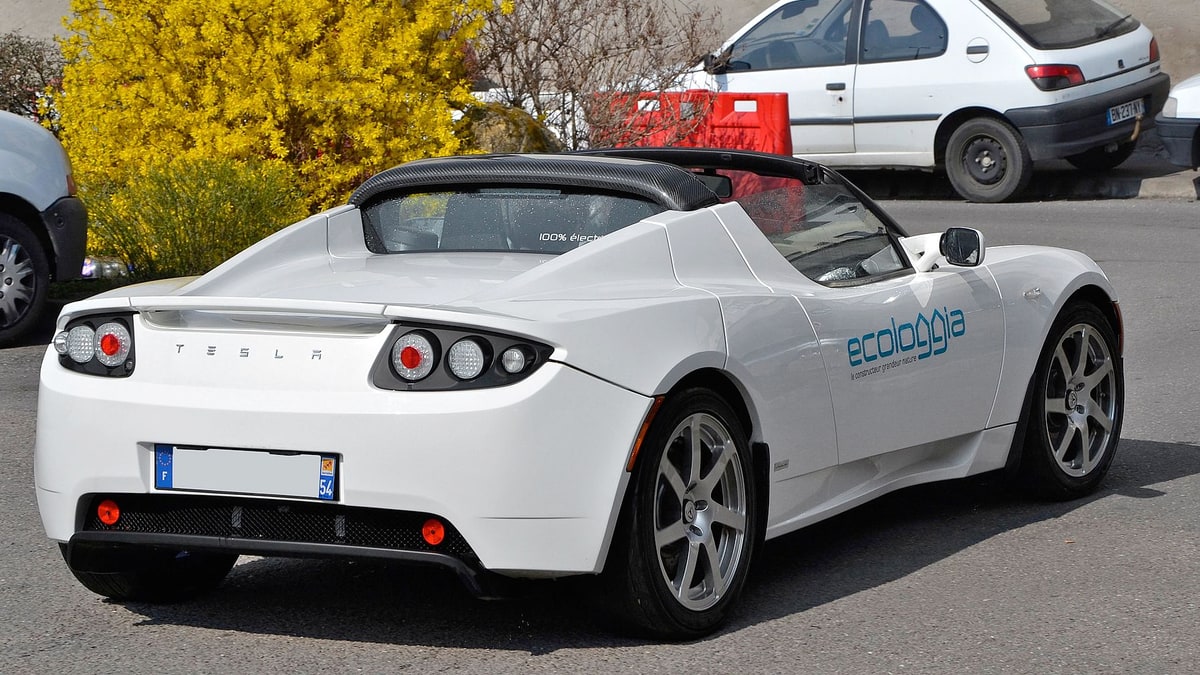
In 2008, Tesla Motors, now known as Tesla, Inc., introduced the world to the first high-performance electric vehicle, the Tesla Roadster. Launched when gas-guzzling cars ruled the roads, the Roadster represented a paradigm shift in the automotive industry. Let's look back at the Roadster's origins, development, and impact on the automotive world.
Birth of a Legend — The Roadster's Timeline
In 2004, Tesla Motors was created by engineers Martin Eberhard and Marc Tarpenning with the goal of revolutionizing the automotive industry. Elon Musk joined the company as its chairman and lead investor and is considered one of the founders of the company. The company's first project aimed to develop an electric sports car, and in 2006, the prototype of the Tesla Roadster was revealed. Production began in 2008, with the first Roadster delivered to Musk in February of that year.
The Roadster was an important milestone for Tesla because it was the company's first production vehicle. Before the Roadster, Tesla had only produced a prototype electric vehicle, which was used to generate interest and secure funding for the company.
Musk's Vision in Quotes
Musk, the 2021 Time Person of the Year, had high hopes for the Roadster. In a 2008 press release, Elon Musk stated. "The delivery of the first production Tesla Roadster marks a great historical milestone along the way to Tesla becoming one of the great car companies of the 21st century. The Roadster now in production is just the first of a series of models from Tesla, soon to be followed by our 4 door sports sedan. Eventually, Tesla Motors will offer a full line of electric vehicles, leading the way in the changeover from gasoline cars to an electric future."
In an interview with The Telegraph in 2012, Elon Musk explained, "With the Roadster, we wanted to create a product that would break the mould and convince people that an electric car could be cool, sexy, and fast."
In a 2008 interview with the New York Times, Musk said, "The goal of Tesla is to accelerate the advent of sustainable transport. If we could have done that with the first version of the Roadster, we would have. But we can't." (Source: The New York Times, Nov. 2, 2008)
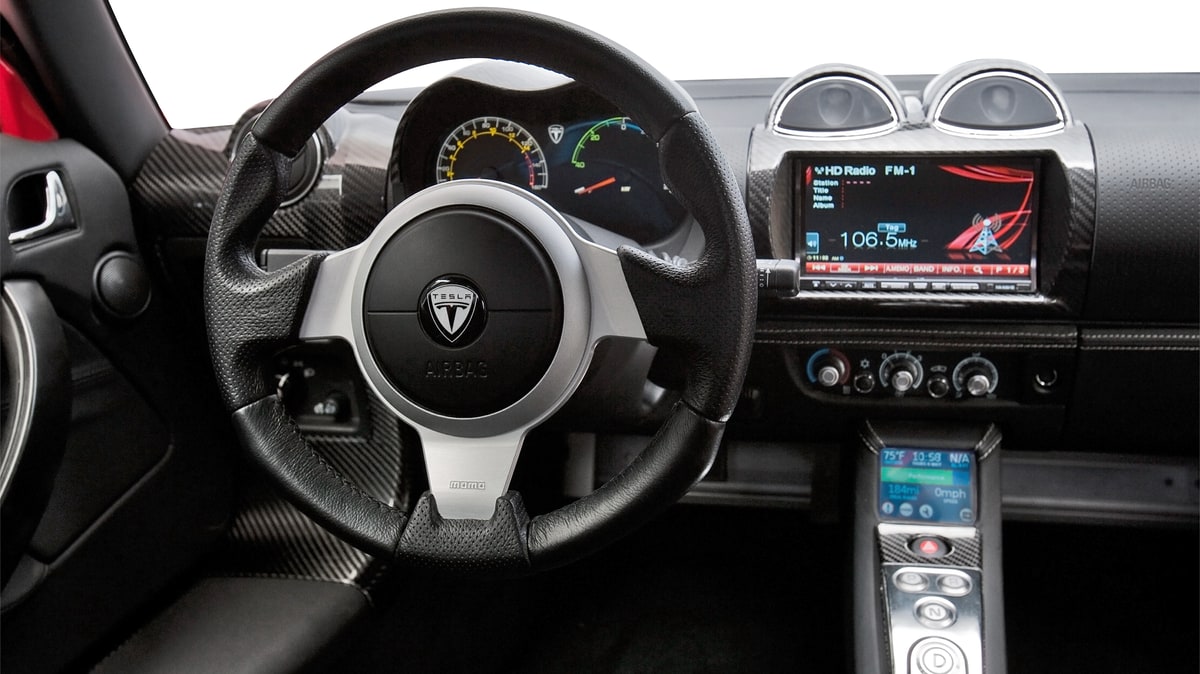
During a presentation at the Cleantech Forum in San Francisco in 2008, Elon Musk stated, "I think the Roadster has had a significant catalytic impact on the industry. And the intent with the Roadster was to change the image of electric vehicles."
In a 2011 interview with Autocar, Musk talked about the Roadster's production: "The Roadster has been a great success, proving that we could make an electric car with the range and performance of a petrol sports car, but we always knew it was a stepping stone to producing more affordable, mainstream cars."
Musk also saw the Roadster as a way to pave the way for Tesla's future vehicles. But, he said, "The Roadster is not our end game; it's just the beginning. We want to use the technology we've developed for the Roadster to create more affordable electric vehicles that can be used by the masses."
The Lotus Connection — The Roadster's Foundation
The Tesla Roadster was based on the Lotus Elise, a lightweight, two-seat sports car from the British automaker Lotus. Tesla Motors collaborated with Lotus to develop the Roadster, leveraging the expertise of the established automaker. The Roadster borrowed the Elise's chassis, but its drivetrain, battery system, and body were unique to the electric vehicle. The final product was a marriage of cutting-edge electric vehicle technology and the timeless appeal of the sports car.
The Tesla Roadster has also left a mark on popular culture with its appearances in various films and television shows. For instance, the Roadster made a cameo appearance in the 2010 film "Iron Man 2," which was driven by Tony Stark, played by Robert Downey Jr. This appearance further solidified the car's status as a symbol of cutting-edge technology and sustainable luxury. Musk also appeared briefly in the Marvel movie.
Unrivaled Performance — 0 to 60, Top Speed and Range
The 2008 Tesla Roadster boasted impressive specs for an electric vehicle at that time. Equipped with a 53 kWh lithium-ion battery pack, the Roadster's max speed was 125 mph, with a range of 245 miles on a single charge.
The electric motor produced 248 horsepower and 200 lb-ft of torque, enabling the car to reach 0-60 mph in just 3.7 or 3.9 seconds, depending on the model. These performance figures were a testament to the capabilities of electric powertrains, showcasing that electric vehicles could be both efficient and exciting.
Original Roadster Price
When released, the Tesla Roadster carried a base price of $98,950, positioning it firmly within the luxury sports car market. Later versions sold for $120,000. Despite the high price tag, the Roadster was embraced by enthusiasts who recognized its significance in ushering in the electric vehicle era.
A Journey Beyond Earth — The Roadster in Space
In February 2018, Elon Musk's SpaceX launched the Falcon Heavy rocket on its maiden voyage with a unique payload onboard: Musk's personal Tesla Roadster. The car was sent into space as a symbol of human innovation and a nod to the powerful synergy between Tesla and SpaceX.
The Roadster, with a mannequin named "Starman" in the driver's seat, and the stereo system played David Bowie's "Space Oddity" on repeat, was placed into a heliocentric orbit around the sun. The vehicle now serves as a symbol of the limitless potential of human ingenuity and the boundless ambition that has driven the advancement of electric cars and space exploration.
The Roadster's Lasting Impact
Roadster was not without its challenges, however. The first models had issues with overheating and battery life, which required Tesla to make some adjustments and updates. In addition, Tesla faced problems with the car's transmission resulting in several recalls and updates.
In 2010, Tesla announced a battery upgrade program allowing Roadster owners to upgrade their battery packs to a newer and more efficient design.
Despite these challenges, the Roadster remained a popular vehicle among Tesla enthusiasts. As a result, the company produced approximately 2,450 Roadsters between 2008 and 2012, most of which were sold in the United States.
The 2008 Tesla Roadster began a new era in the automotive industry. It shattered the prevailing perception that electric vehicles were slow and unexciting, proving that they could compete with their gasoline-powered counterparts in terms of performance and driving experience. Moreover, the Roadster laid the groundwork for Tesla's subsequent models, which have continuously pushed the boundaries of electric vehicle technology.
A New Generation of the Roadster
In 2017, Tesla unveiled a new version of the Roadster, which promises to be faster and more powerful than its predecessor. The upcoming Roadster, boasting a top speed of over 250 mph and a range of 620 miles, aims to solidify Tesla's position as a leader in electric vehicle technology.
As a result of the Roadster's success, other automakers began to take notice and invest in electric vehicle research and development. Today, almost every major automaker has an electric vehicle in their lineup, and the market continues to grow at an unprecedented pace. In addition, governments worldwide are setting ambitious targets for adopting electric vehicles, and charging infrastructure has expanded rapidly to accommodate the increasing demand.
Tesla Roadster demonstrated the potential of electric powertrains to deliver impressive performance, efficiency, and environmental benefits. The Roadster's legacy inspires new generations of electric vehicles, pushing the industry toward a cleaner, more sustainable future. Although the Roadster is no longer in production, its legacy lives on in the current generation of Tesla vehicles and the company's commitment to pushing the boundaries of what is possible in the world of electric cars.





![Tesla Sentry Mode Video Notifications - How to Enable Them and When They're Sent [Video]](https://www.notateslaapp.com/img/containers/article_images/tesla-app/sentry-mode-video-notification.jpg/a6a2e8ad8a04e37cf45c9f12546ff8a6/sentry-mode-video-notification.jpg)

![Tesla Continues Rollout of FSD 12.4.3; Resets Strikes [Update: Another Wave Going Out Now]](https://www.notateslaapp.com/img/containers/article_images/fsd-beta/2022.45.10-fsd.png/1b2daac4e91656345d5c7bae5c3ab487/2022.45.10-fsd.jpg)








![Tesla Adds HEPA Filter to New Model 3, Will it Get Bioweapon Defense Mode? [Update: Tesla Edits Post]](https://www.notateslaapp.com/images/news/2023/new-model-3-hepa-filter_300w.jpg)