Delving into Japanese Video Game Ads from the 1980s
To promote their products, video game creators reinvented advertising displays with colourful and quirky visuals.
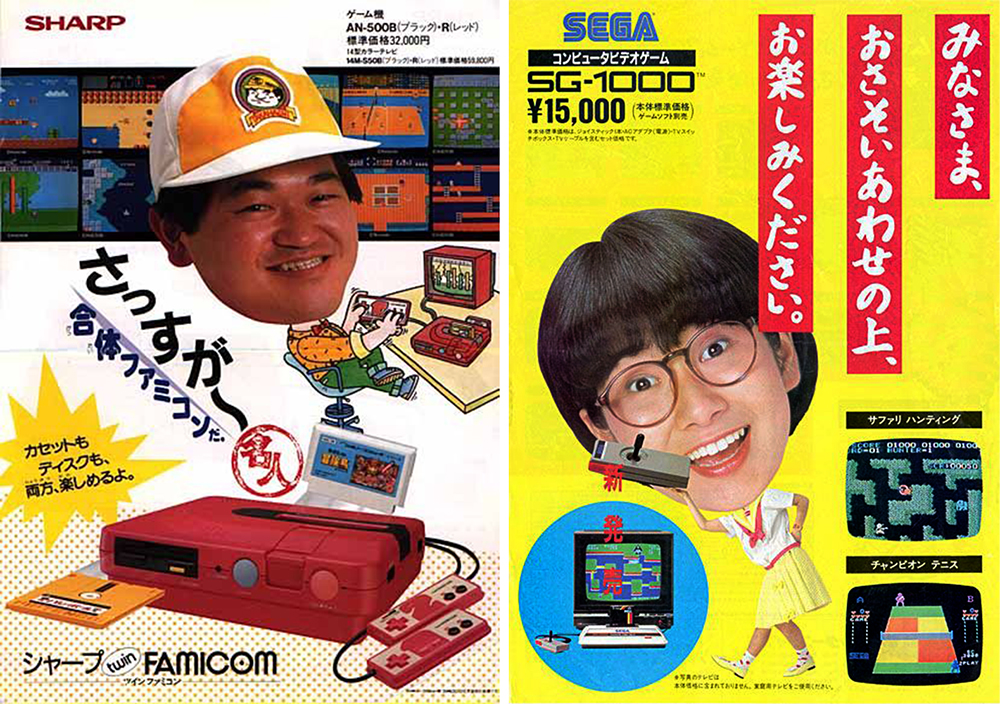
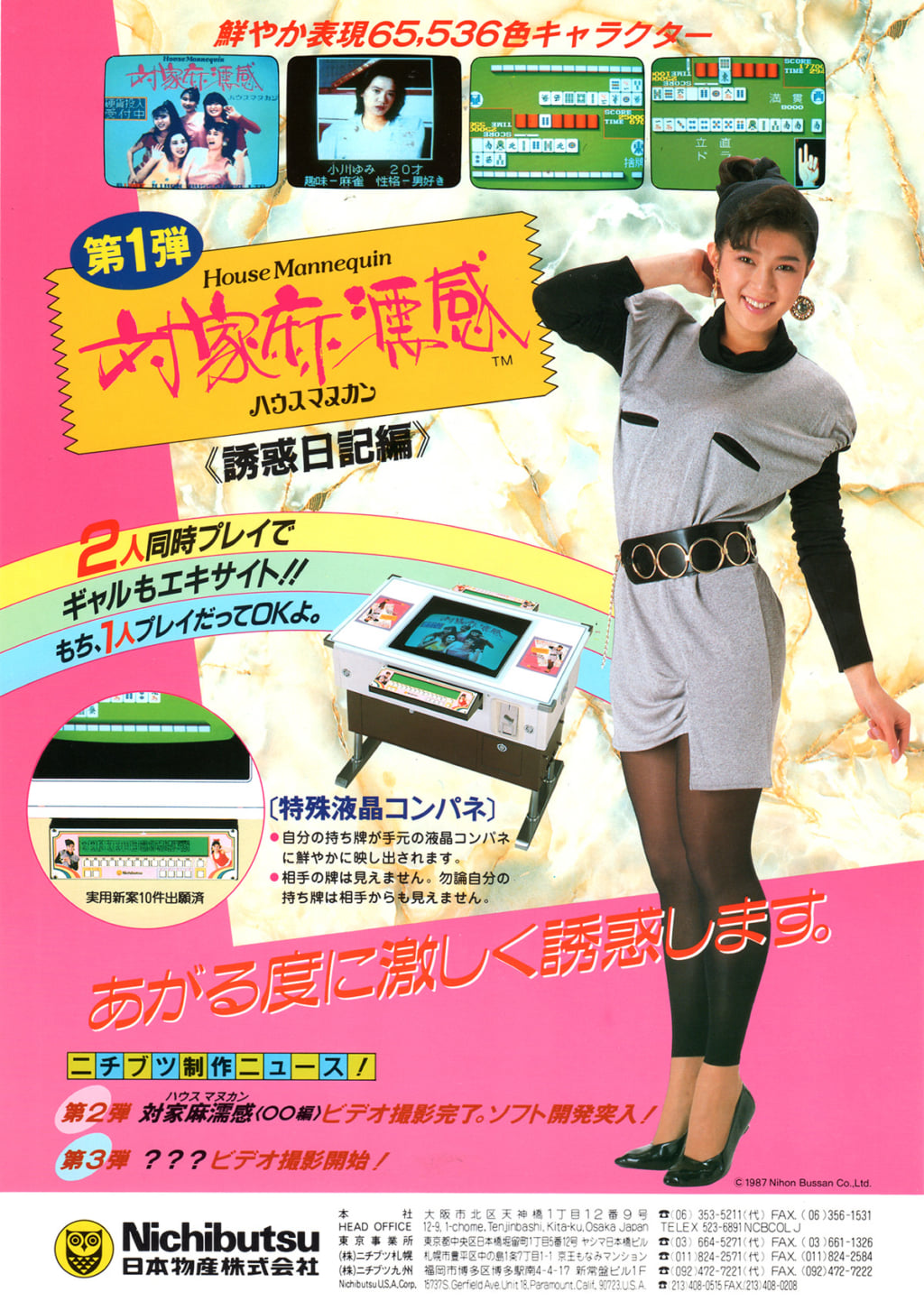
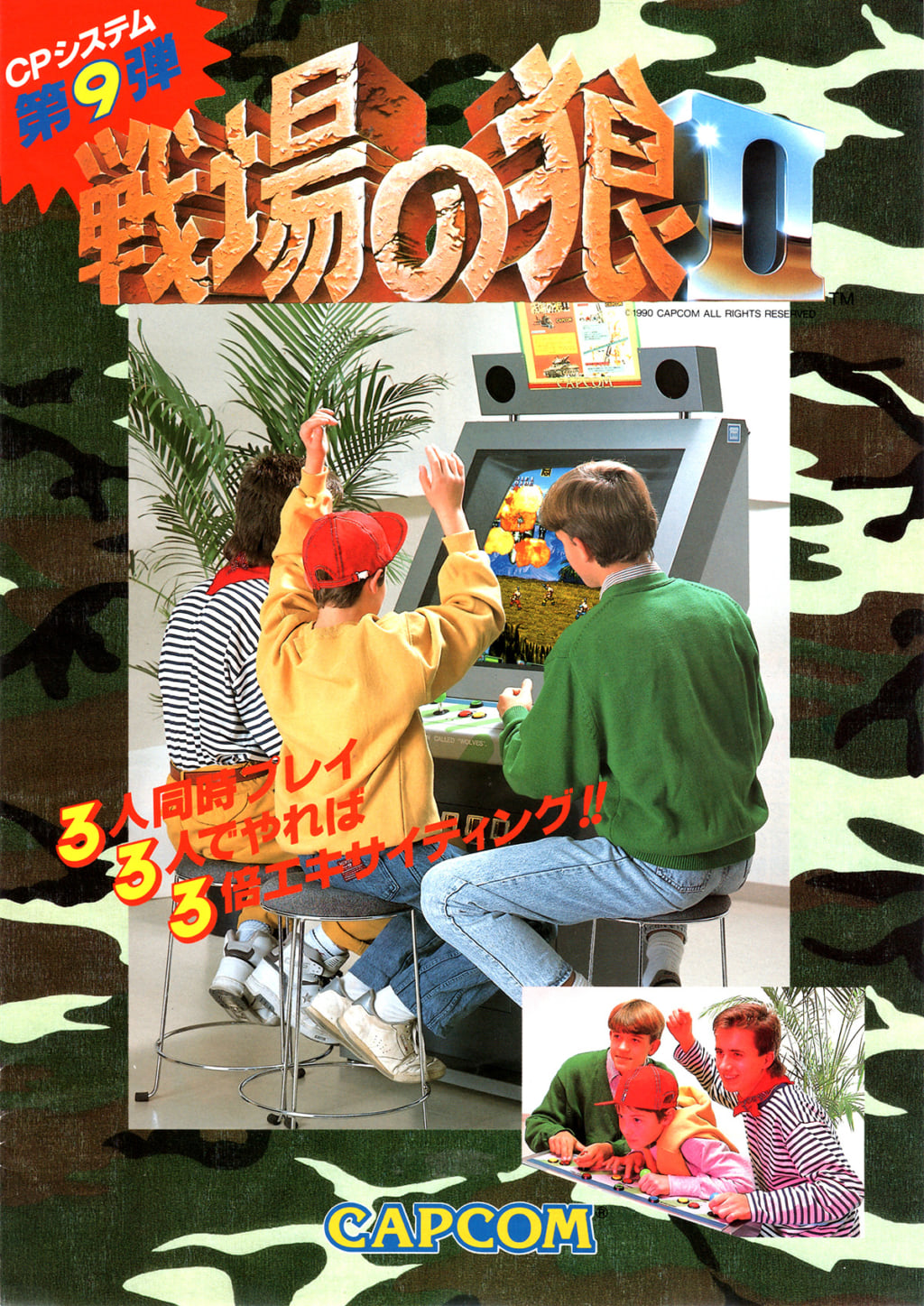
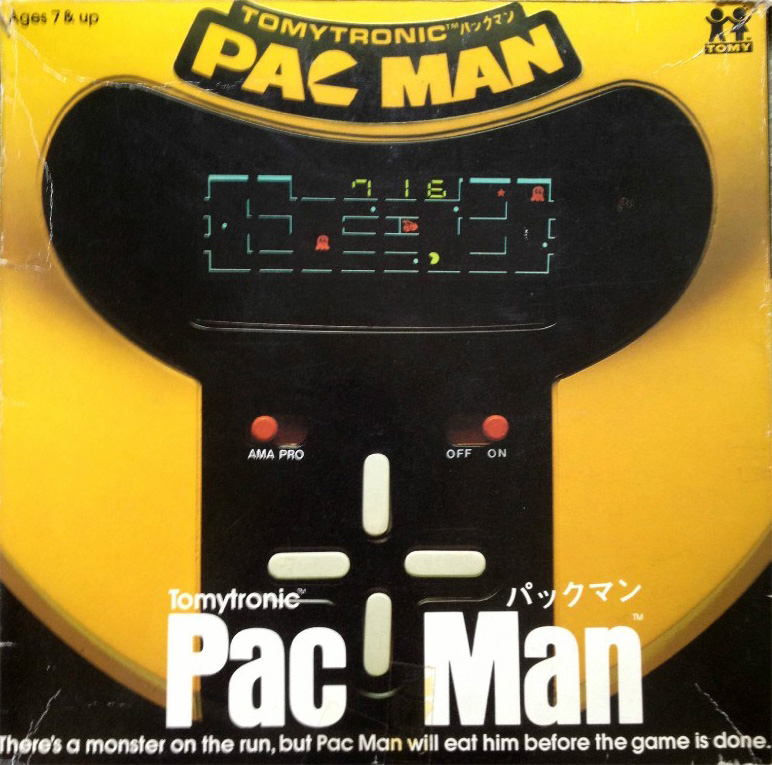
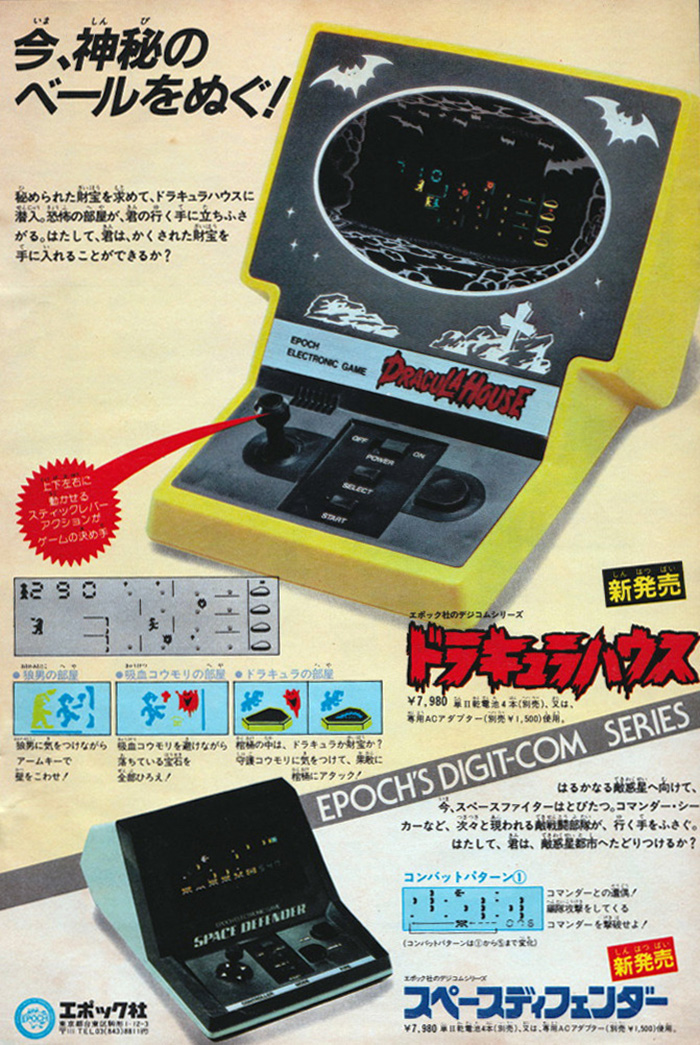
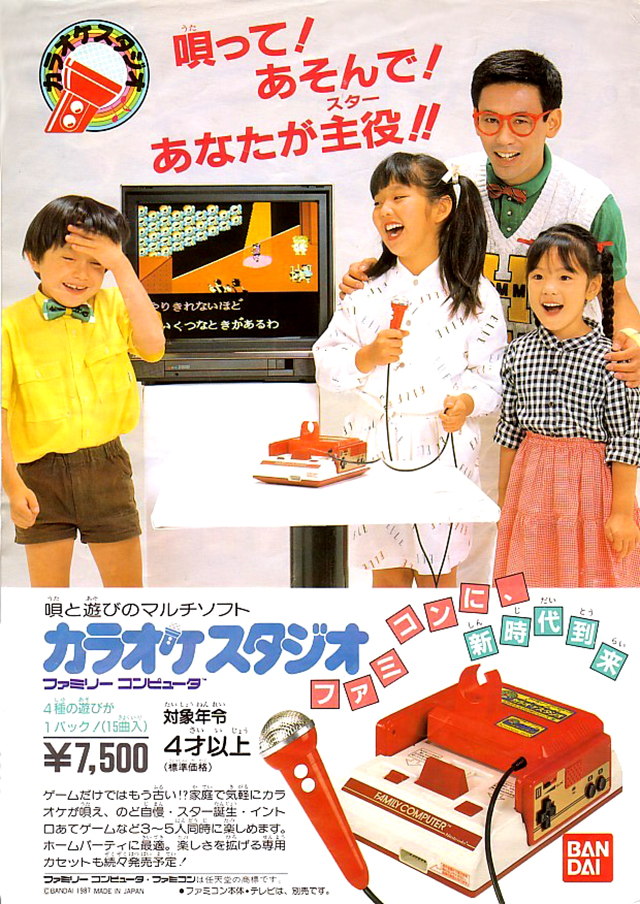
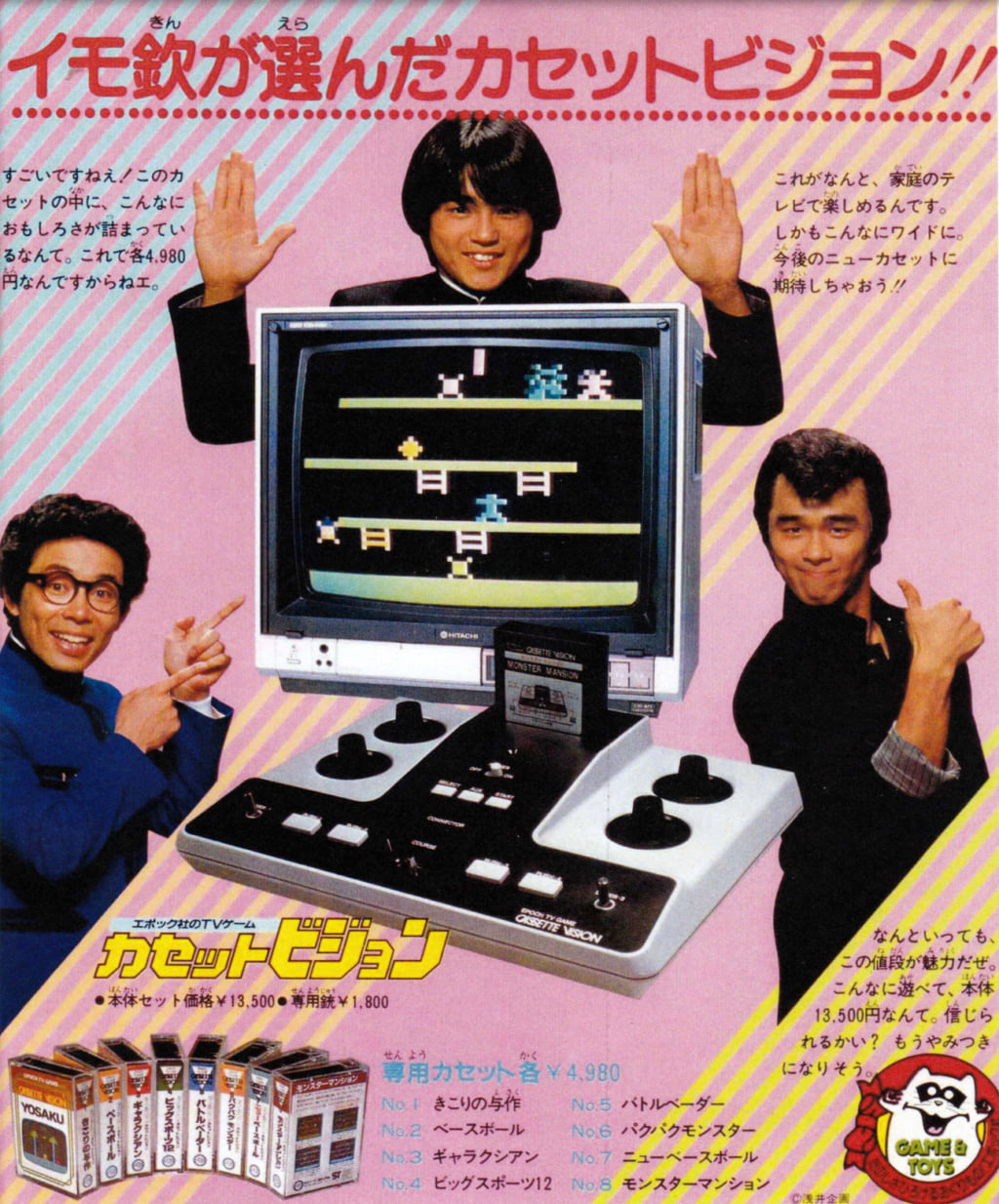
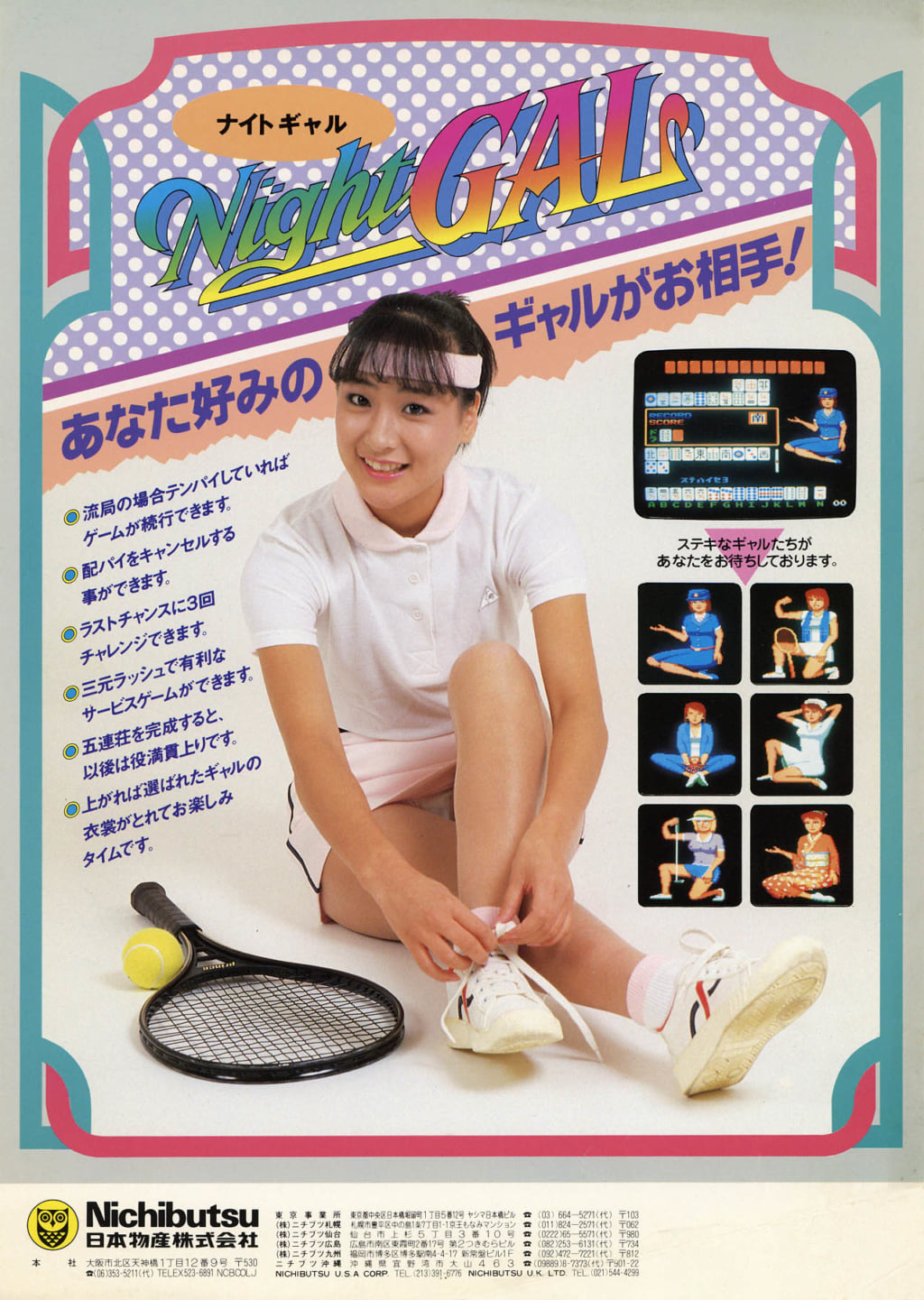
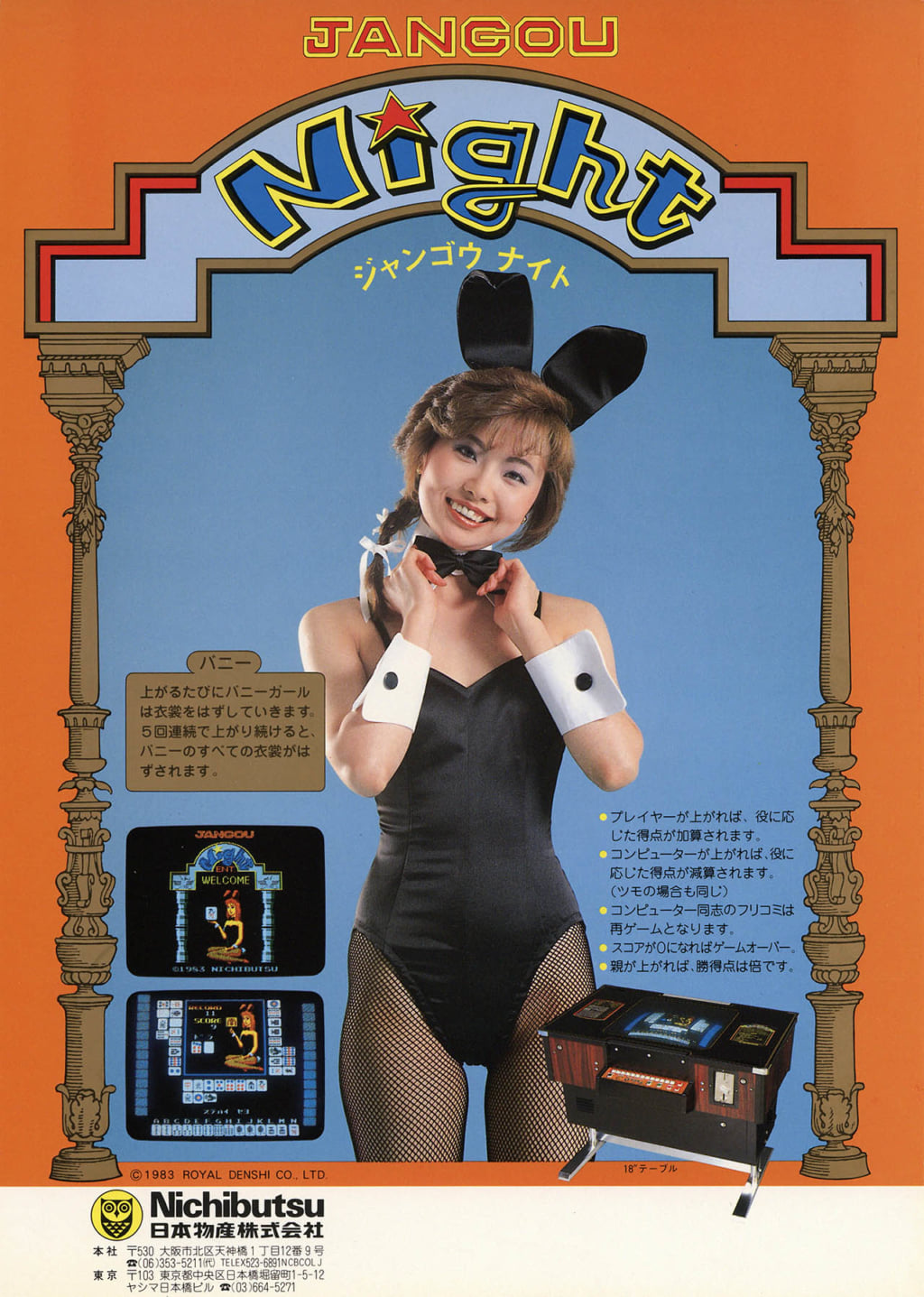
Video games and arcade games were two of the main leisure activities in the 1980s. During this decade and those that followed, the players didn’t just witness a titanic combat between games console makers Nintendo and Sega, but also saw the emergence of advertising campaigns flaunting the merits of the latest releases from Japanese companies. The posters, often in garish colours, present characters who seem a little absurd, the perfect symbols of the pop universe of the 1980s.
As many styles as audiences
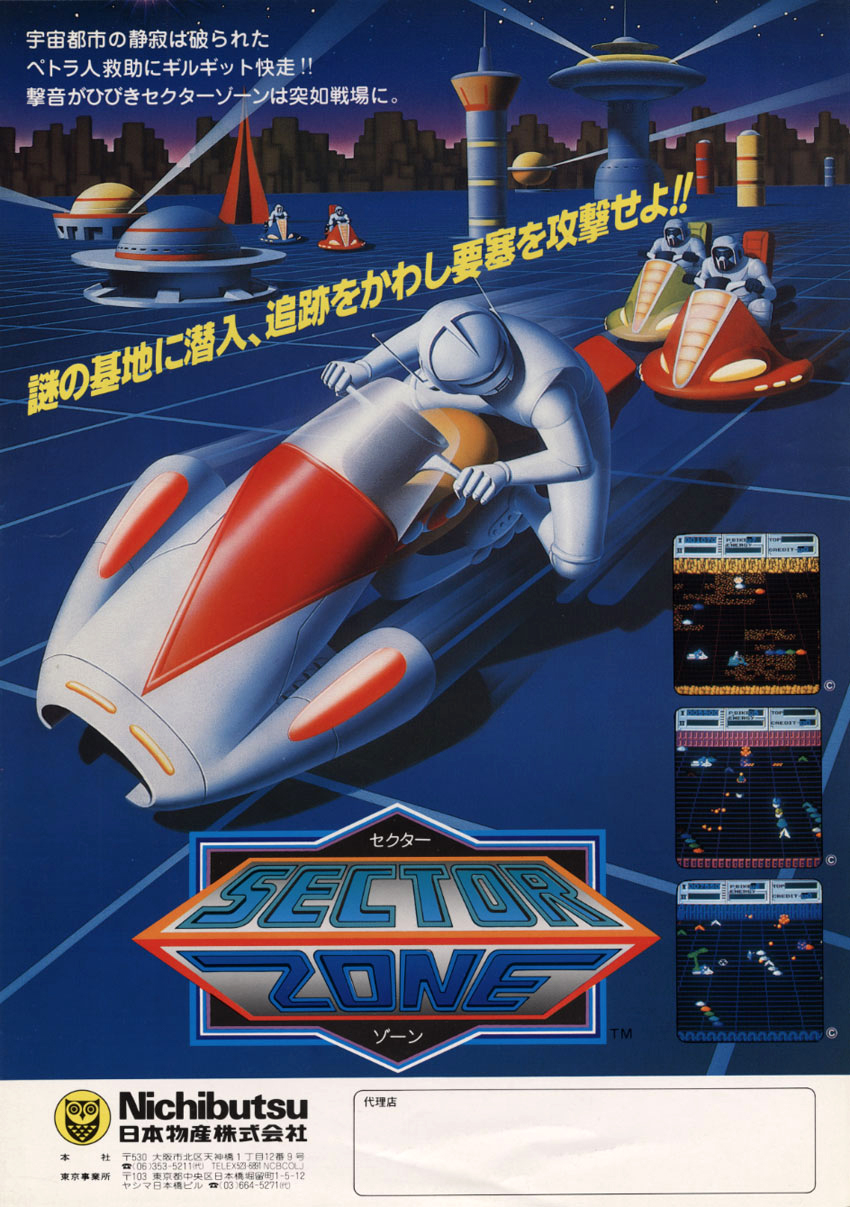
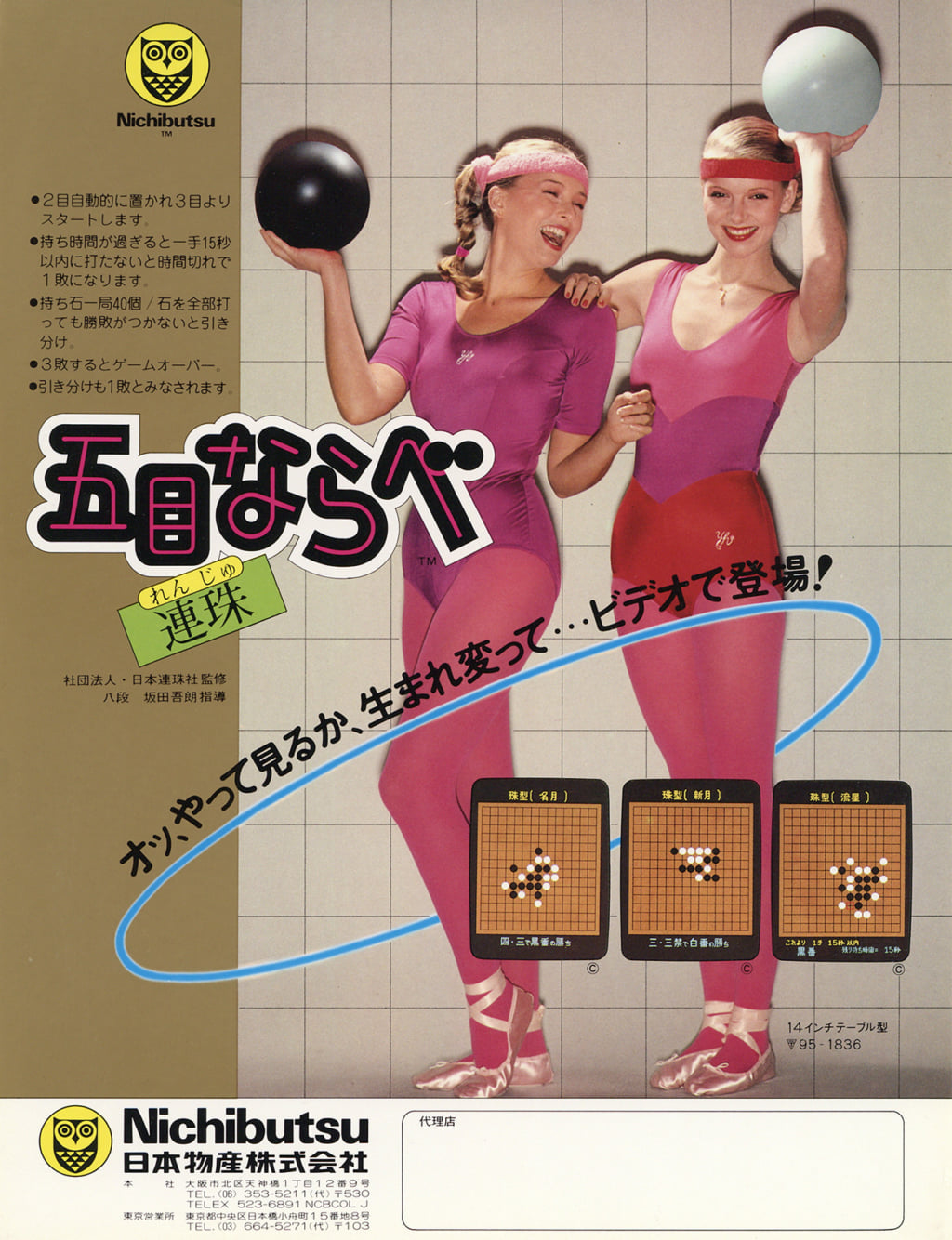
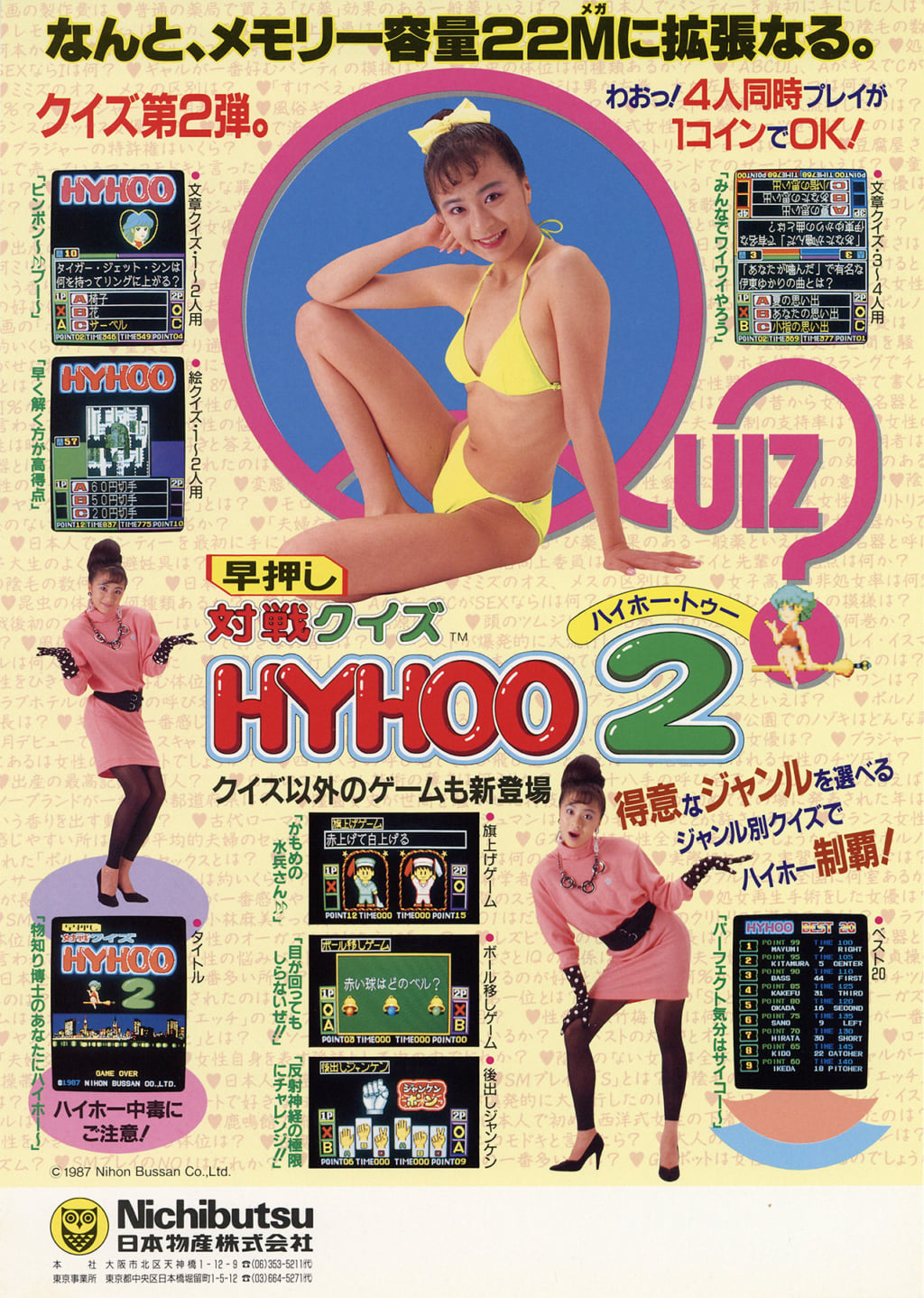
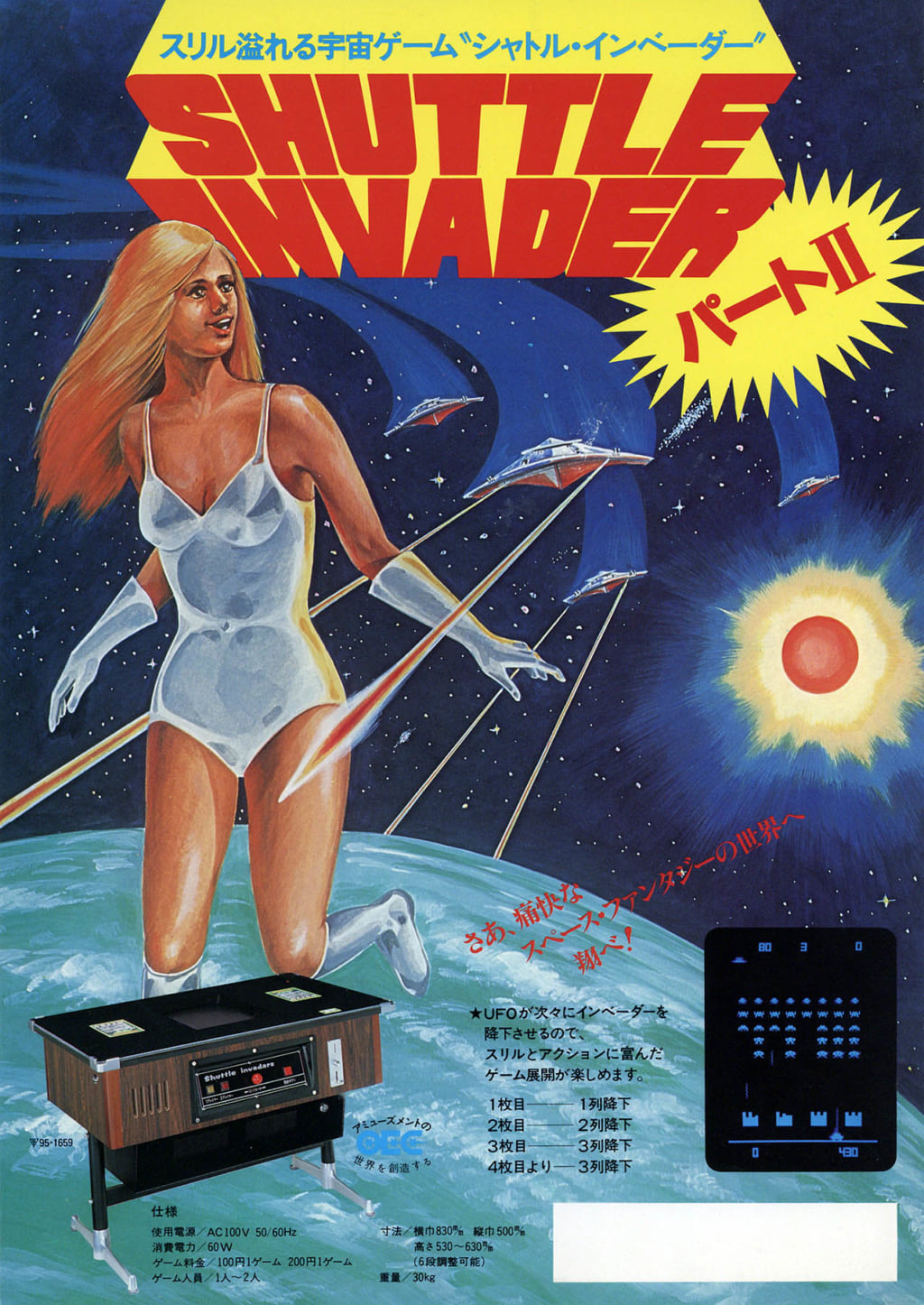
Some of these adverts present families busy playing on a video arcade machine; others feature young women dressed in close-fitting pink leotards or wearing only a bikini, depending on the target market. Other adverts are more illustrated and represent scenery that draws on science fiction, like this campaign by Nichibutsu to promote Sector Zone (1984), or the advert for the arcade game Shuttle Invader (1979), the universe of which is largely inspired by Space Invaders.
The video game industry may have been born in the USA, but the giants in the sector developed in Japan, making the country the point of reference in gaming for decades. Japan may well later be renamed the ‘electric nation.’

TRENDING
-
The Aquatic Fabric Sculptures of Mariko Kusumoto
The artist, among other methods, uses the Japanese folding technique known as ‘tsumami zaiku’ to craft vibrant textile creations.

-
'Nihon Noir 2099', Brutalist Architecture in a Cyberpunk Style
Photographer Tom Blachford travelled around Tokyo after dark to capture its concrete jewels that he immerses in a futuristic ambiance.
-
Five G Music Technology: Tokyo’s Analog Synth Emporium
Based in Harajuku, this internationally renown retailer for vintage electronic instruments is a mainstay for Japan’s synth culture.
-
Colour Photos of Yakuza Tattoos from the Meiji Period
19th-century photographs have captured the usually hidden tattoos that covered the bodies of the members of Japanese organised crime gangs.
-
The Tattoos that Marked the Criminals of the Edo Period
Traditional tattoos were strong signifiers; murderers had head tattoos, while theft might result in an arm tattoo.